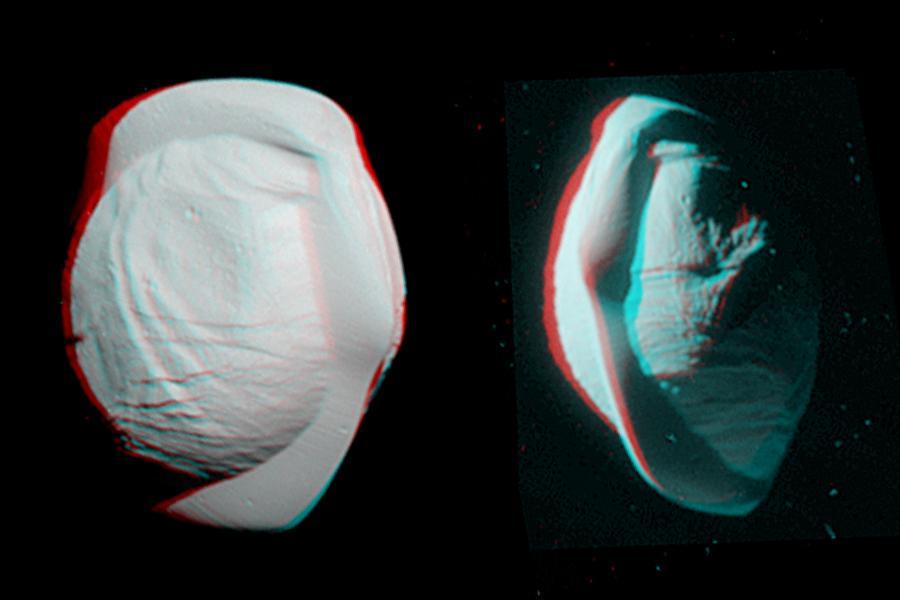
Pan
moon · Saturn
A natural satellite of Saturn. Its physical properties and orbital motion are shown from the available catalogue and ephemeris data.
- Mean radius (km)
- 14
- Orbital period (days)
- 0.575051


SPACEdi
SPACE Digital Infrastructure
Loading...

Welcome to SPACEdi's space encyclopedia. Our platform provides a searchable astronomy catalog, deep celestial body indices, and historical spacecraft logs, connecting space enthusiasts, academic students, and research teams to verified scientific facts, object profiles, and direct 3D orbital trajectory maps.
3D Celestial Body Database & Planetary Encyclopedia:
Engineered by ARCHIMEDES Aerospace, this comprehensive data directory bridges verified historical astronomical parameters with a structured, crawlable encyclopedia layout. We provide public users, schools, and astronomy clubs with a centralized lookup index required to scan the raw metrics of the solar system, view historic mission records, and instantly launch individual object files into our main web mapping tools.
Interactive Filtering and Data Extraction for Astronomical Objects:
Our system changes how researchers browse cosmic archives by replacing cluttered, text-heavy data repositories with a clean, interactive discovery matrix. By opening this searchable directory, users can filter cross-referenced content and streamline their space science exploration:
Comprehensive Space Catalog: Search and filter through a massive database of over 860 distinct objects, including major planets, rocky moons, icy dwarf planets, near-Earth asteroids, and rogue comets.
Spacecraft and Mission Logs: Review deep-space exploration profiles, track the tracking metrics of celebrated probes, and discover historical dataset updates sourced from agencies like NASA, JPL, and ESA.
Object-to-Map Integration: Open deep-dive encyclopedia sheets that feature dedicated cross-links, letting you instantly locate that specific object within our interactive 3D virtual canvas.
Connecting Curiosity to a Comprehensive Cosmic Dataset:
Whether you are a classroom teacher gathering physical planetary metrics for an upcoming exam, a student building a profile on Saturn's moon system, or a hobbyist logging tracking records, our index coordinates your deep dives. The encyclopedia repository functions as an open learning engine—offering public search functionality, deeper workspace archiving for active members, and premium academic dataset integration—ensuring everyone has a dedicated space to simulate voyages and expand their cosmic dataset tracking.


869 objects · Page 2 of 19
moon · Saturn
A natural satellite of Saturn. Its physical properties and orbital motion are shown from the available catalogue and ephemeris data.
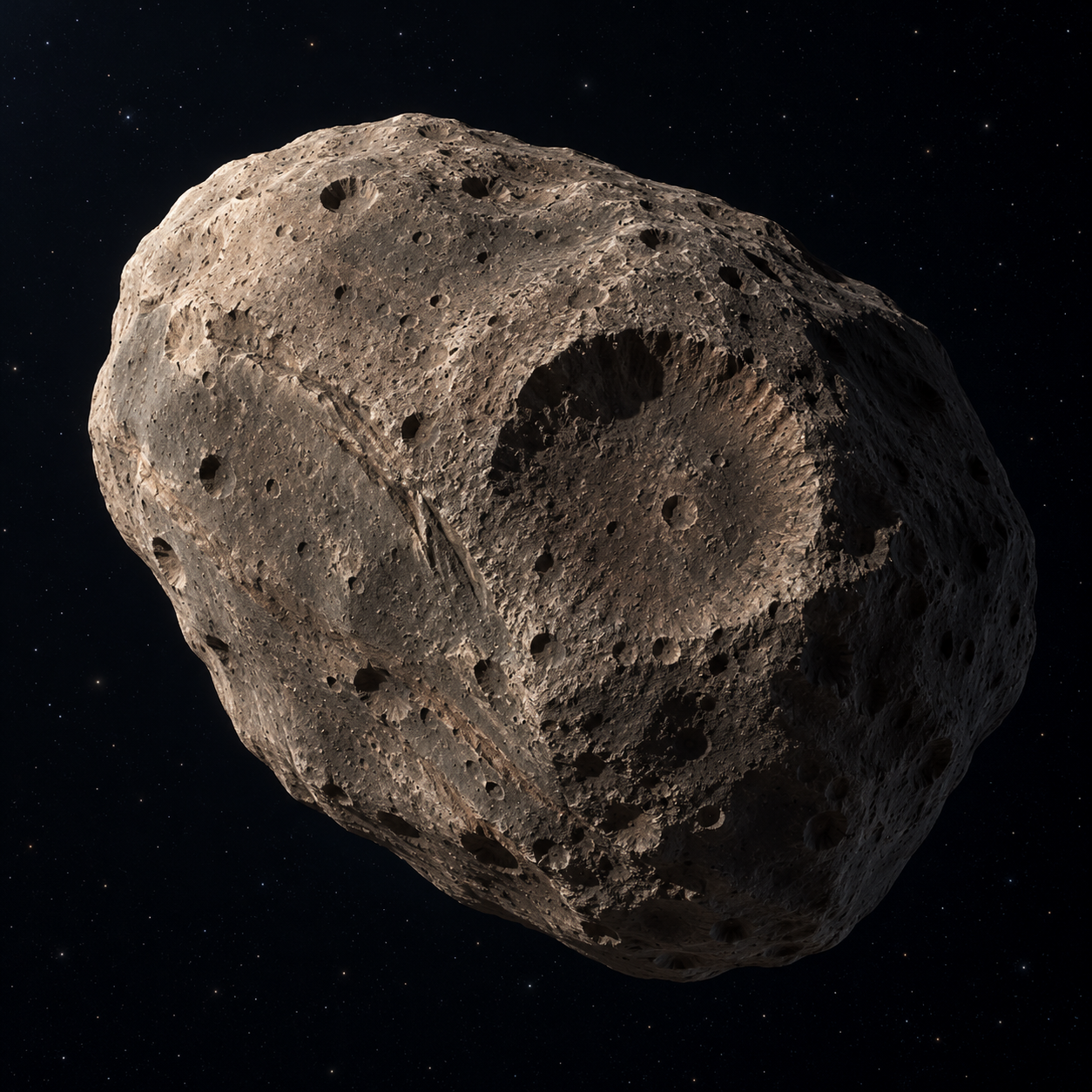
moon · Mars
A natural satellite of Mars. Its physical properties and orbital motion are shown from the available catalogue and ephemeris data.

moon · Saturn
A natural satellite of Saturn. Its physical properties and orbital motion are shown from the available catalogue and ephemeris data.

moon · Saturn
A natural satellite of Saturn. Its physical properties and orbital motion are shown from the available catalogue and ephemeris data.
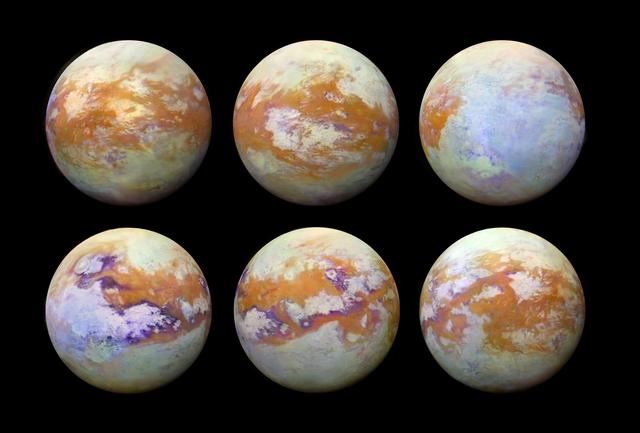
moon · Saturn
Titan has a dense nitrogen atmosphere and an active methane cycle with clouds, rain, rivers, lakes and seas. It is the only moon known to have a stable, Earth-like surface liquid c

moon · Neptune
Triton is Neptune’s largest moon and travels on a retrograde orbit, strong evidence that it was captured rather than formed with Neptune. Voyager 2 also observed active nitrogen ge
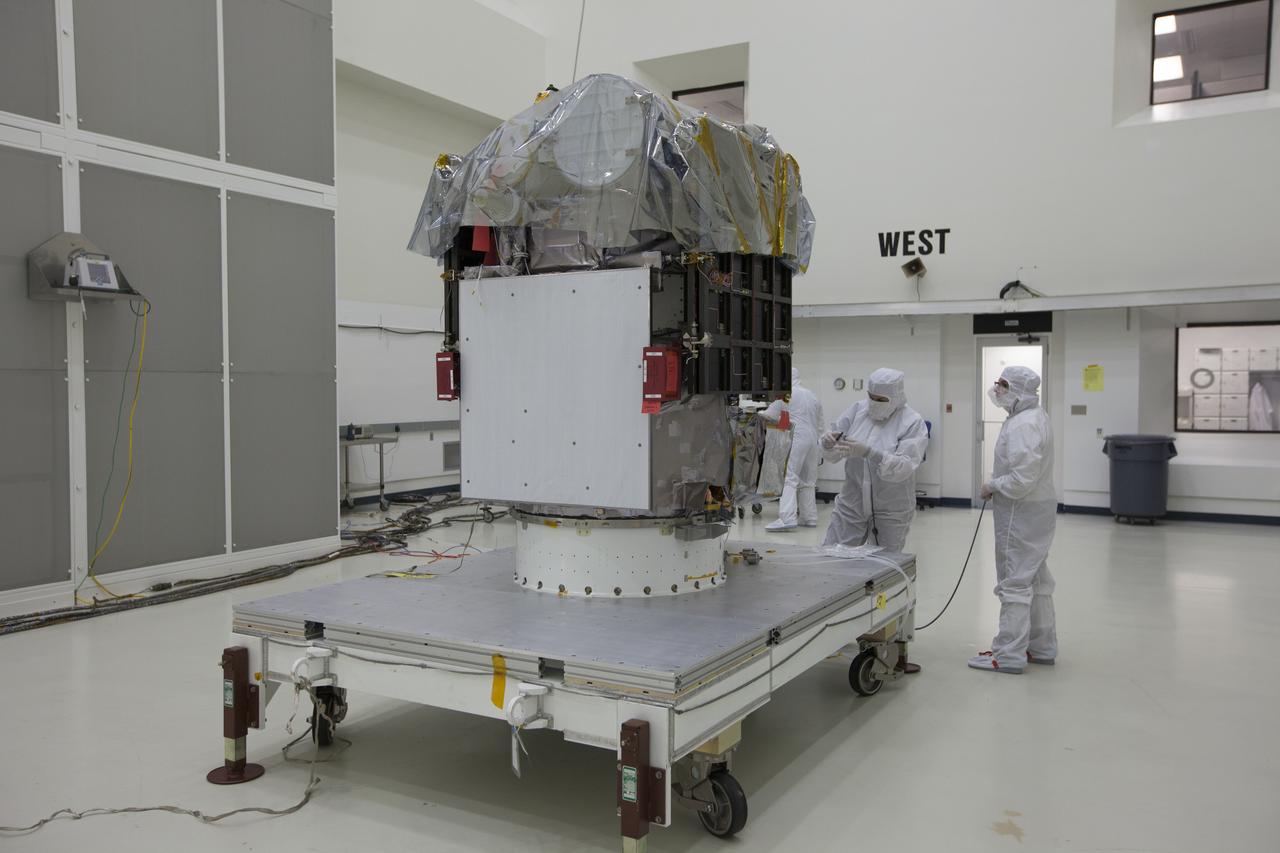
spacecraft · NOAA / NASA / United States Air Force
Monitors the solar wind upstream of Earth and observes the sunlit Earth.
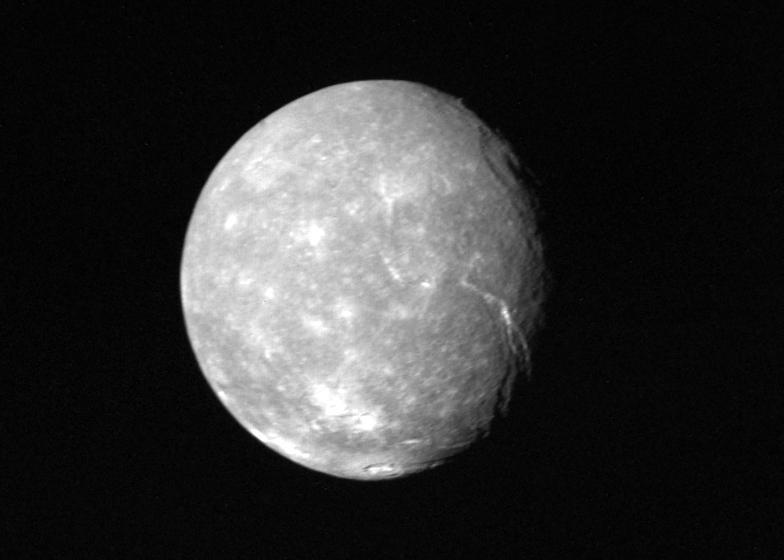
moon · Uranus
A natural satellite of Uranus. Its physical properties and orbital motion are shown from the available catalogue and ephemeris data.
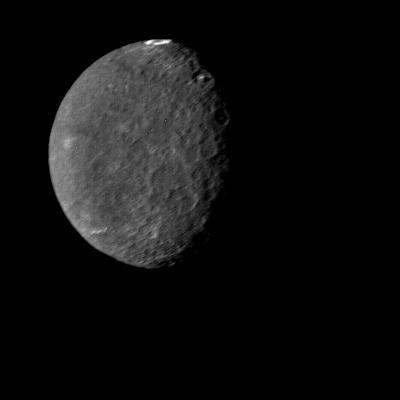
moon · Uranus
A natural satellite of Uranus. Its physical properties and orbital motion are shown from the available catalogue and ephemeris data.
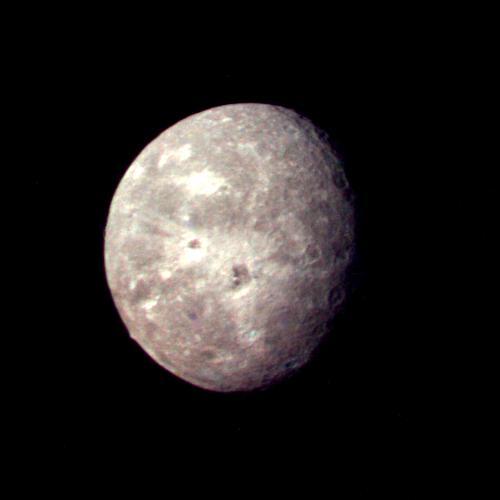
moon · Uranus
A natural satellite of Uranus. Its physical properties and orbital motion are shown from the available catalogue and ephemeris data.
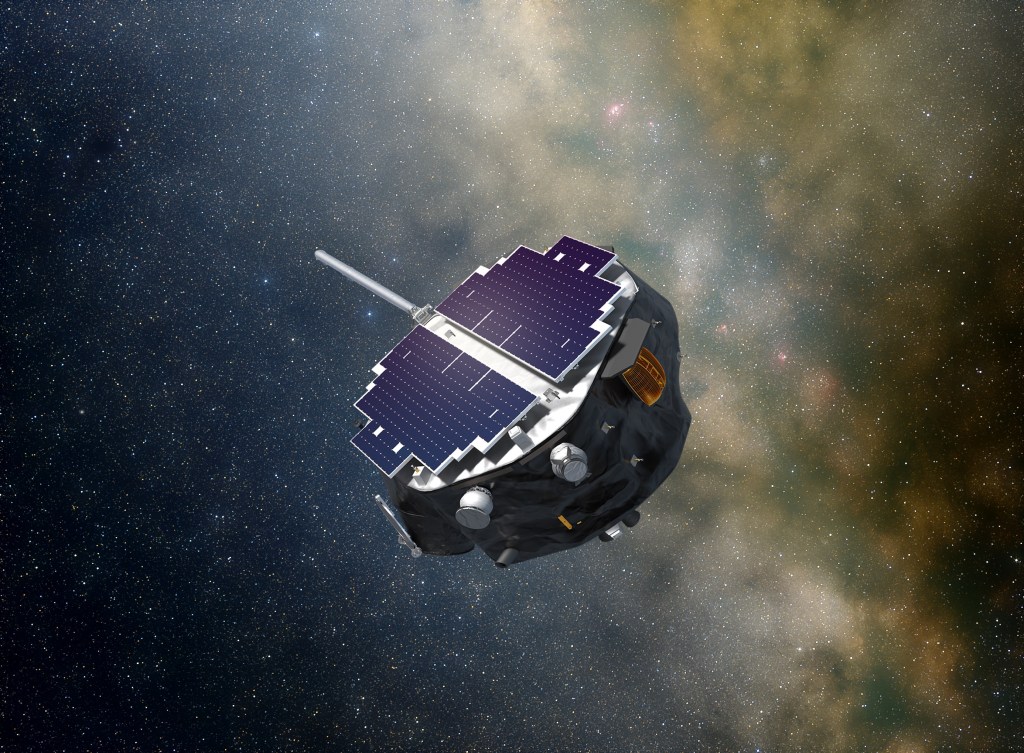
spacecraft · NASA
Measures particles, fields and dust to investigate the heliosphere and its interstellar boundary.
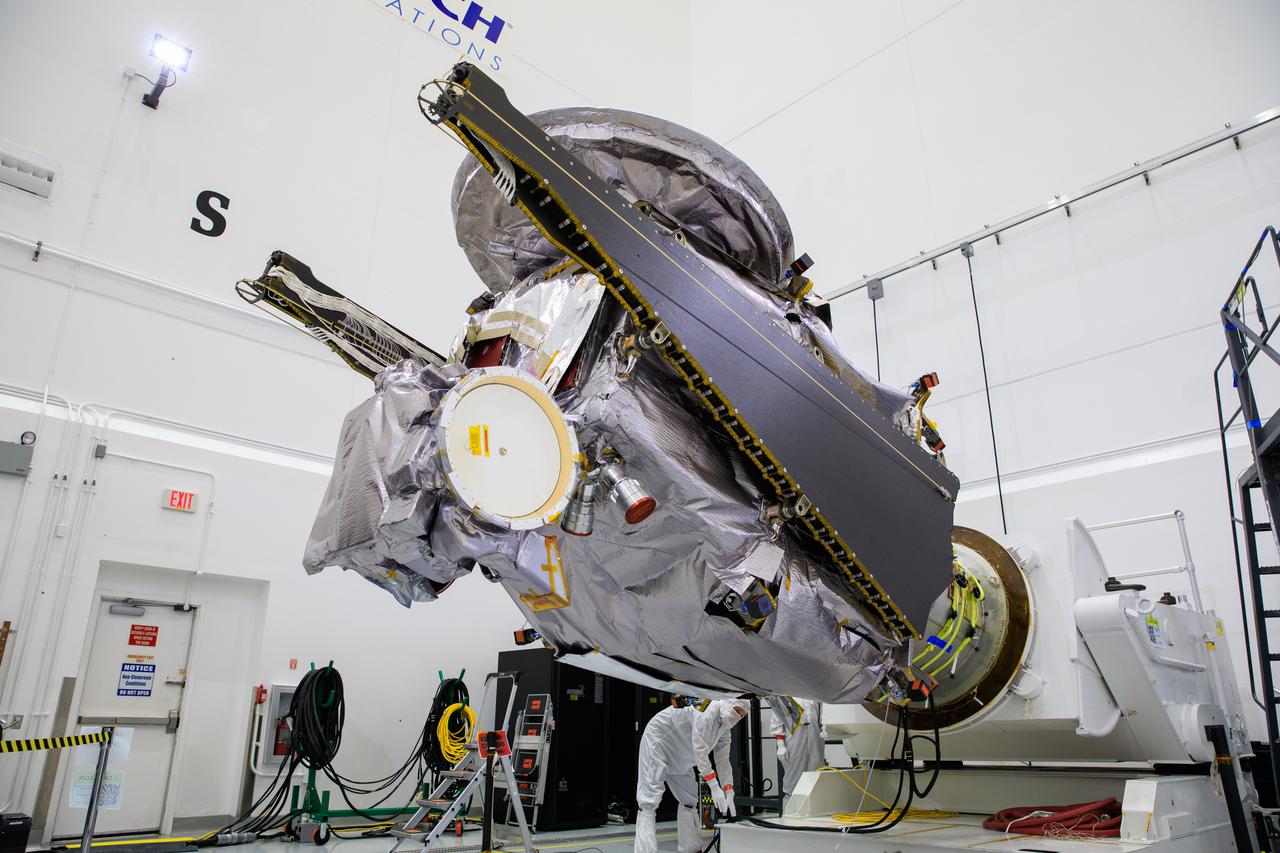
spacecraft · NASA / Southwest Research Institute
Investigates main-belt asteroids and Jupiter’s Trojan populations.

spacecraft · NASA / Arizona State University / Jet Propulsion Laboratory
Travels to the metal-rich asteroid Psyche.
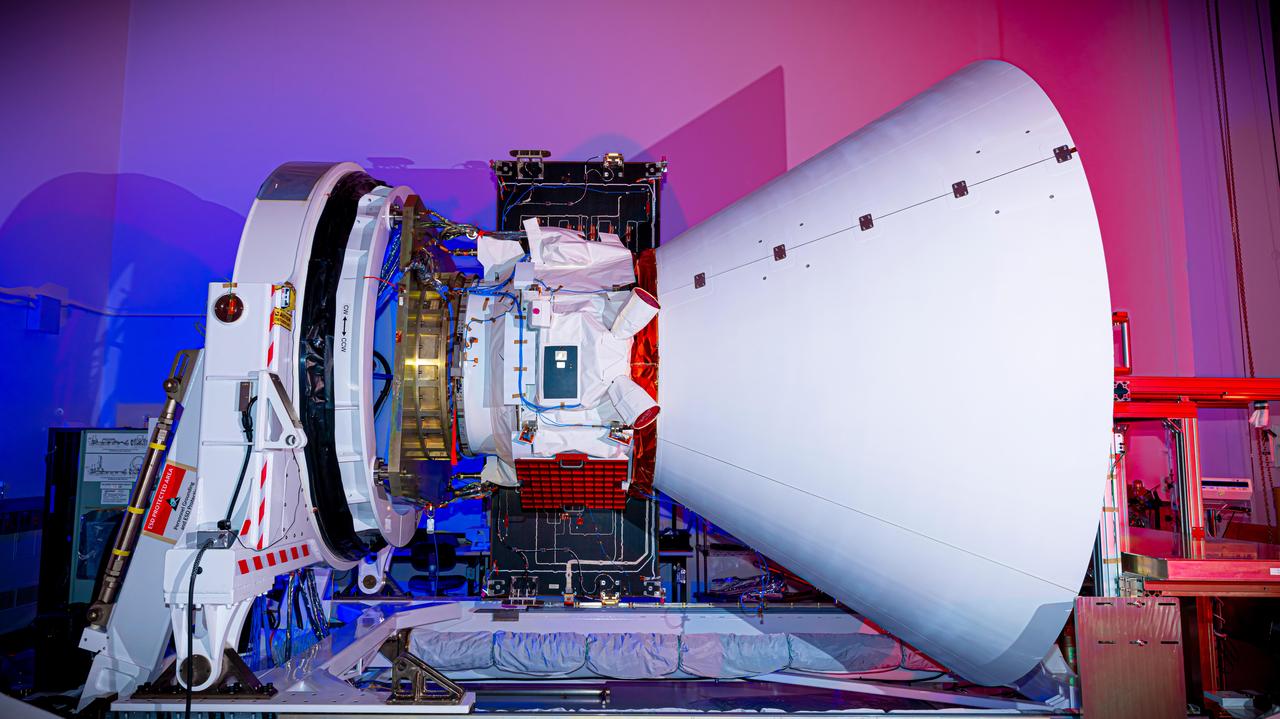
spacecraft · NASA / Jet Propulsion Laboratory
Surveys the sky with spectroscopy to study cosmic history and interstellar ices.
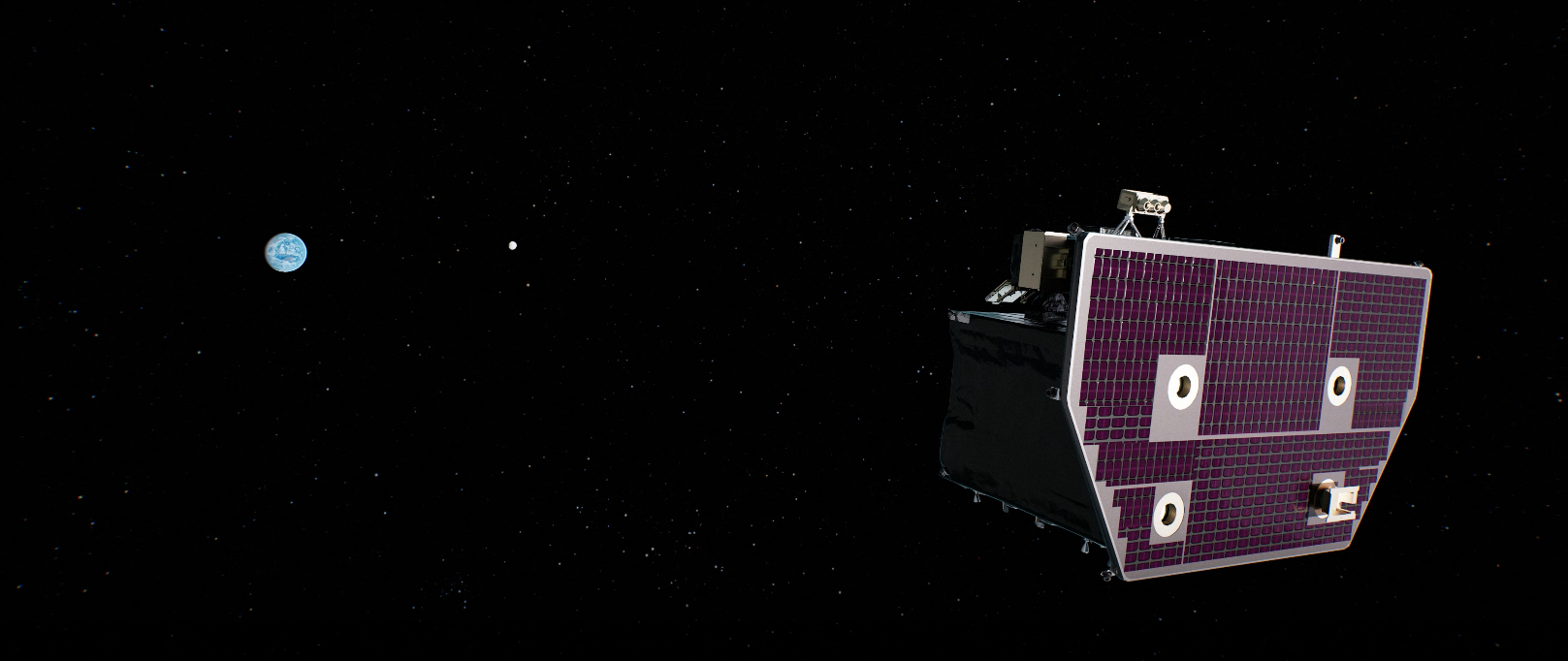
spacecraft · Sun
Observes Earth's exosphere from the Sun-Earth L1 region.
Explore Carruthers Geocorona Observatory · View in 3D Solar System

spacecraft · Sun
Mars-bound spacecraft in its pre-departure loiter phase near Earth.
spacecraft · Sun
Mars-bound spacecraft in its pre-departure loiter phase near Earth.

spacecraft · Earth
NASA-ISRO radar mission observing changes in Earth's surface.

spacecraft · Sun
Operational NOAA space-weather observatory in the Sun-Earth L1 region; formerly SWFO-L1.
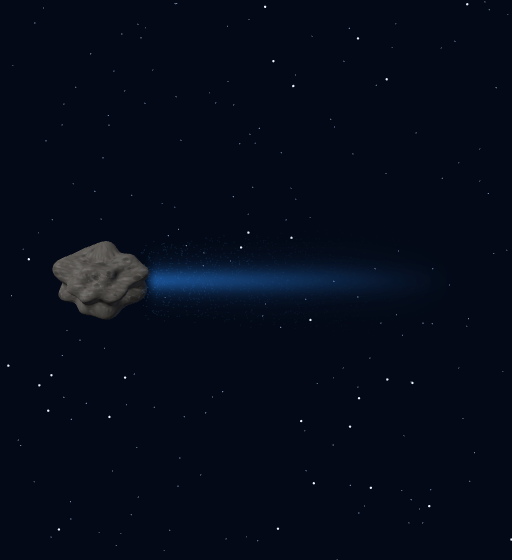
comet · Sun
A cometary small body whose orbit and physical record are included because of its scientific or mission relevance.
comet · Sun
A cometary small body whose orbit and physical record are included because of its scientific or mission relevance.
Explore C/2023 A3 (Tsuchinshan-ATLAS) · View in 3D Solar System
comet · Sun
A cometary small body whose orbit and physical record are included because of its scientific or mission relevance.
comet · Sun
A cometary small body whose orbit and physical record are included because of its scientific or mission relevance.
comet · Sun
A cometary small body whose orbit and physical record are included because of its scientific or mission relevance.
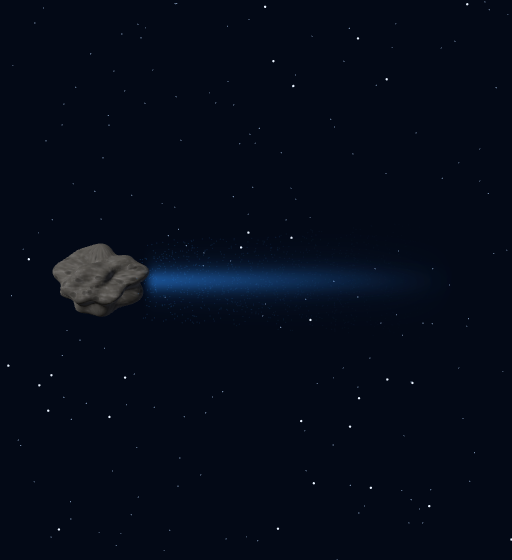
comet · Sun
A cometary small body whose orbit and physical record are included because of its scientific or mission relevance.

spacecraft · Japan Aerospace Exploration Agency
Explores small asteroids and returned samples from Ryugu.

spacecraft · European Space Agency
Designed to investigate Jupiter and the icy moons Ganymede, Callisto and Europa.

spacecraft · Earth
Earth magnetosphere science mission; science operations began September 2026.
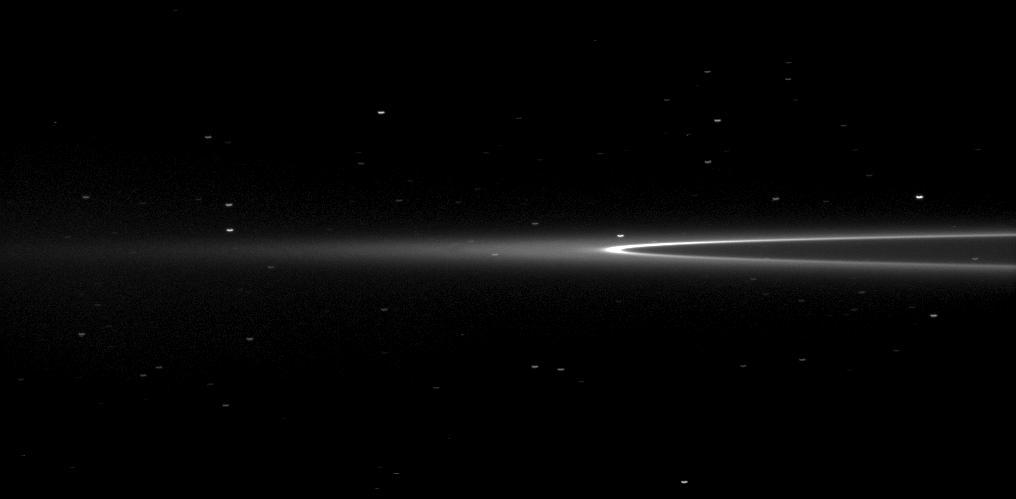
moon · Saturn
A natural satellite of Saturn. Its physical properties and orbital motion are shown from the available catalogue and ephemeris data.
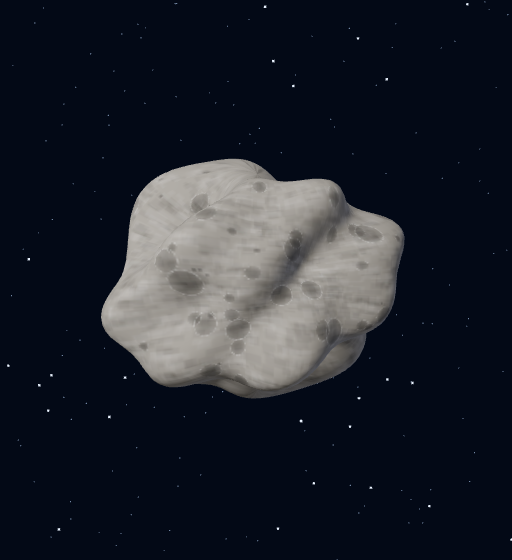
moon · Saturn
A natural satellite of Saturn. Its physical properties and orbital motion are shown from the available catalogue and ephemeris data.
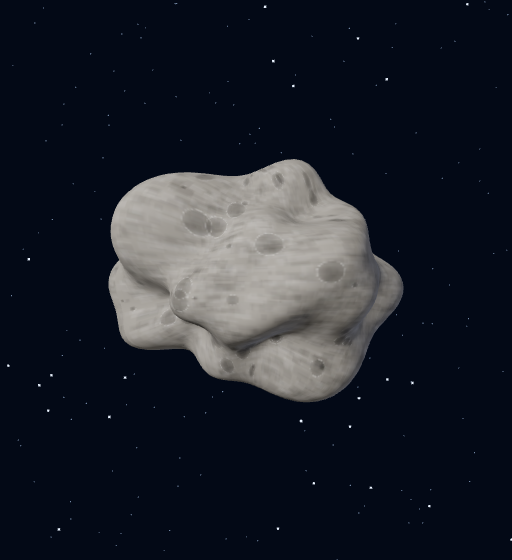
moon · Saturn
A natural satellite of Saturn. Its physical properties and orbital motion are shown from the available catalogue and ephemeris data.
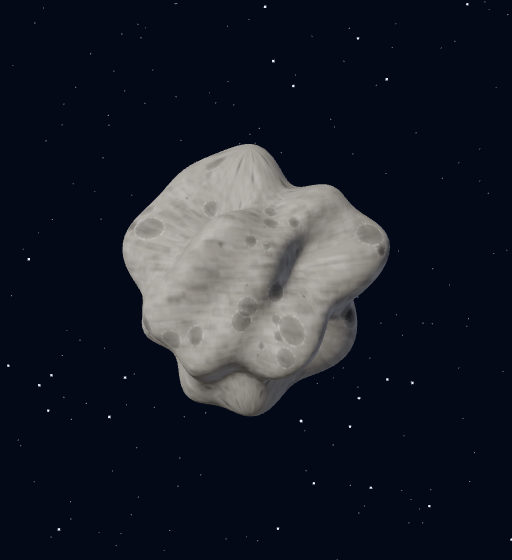
moon · Saturn
A natural satellite of Saturn. Its physical properties and orbital motion are shown from the available catalogue and ephemeris data.
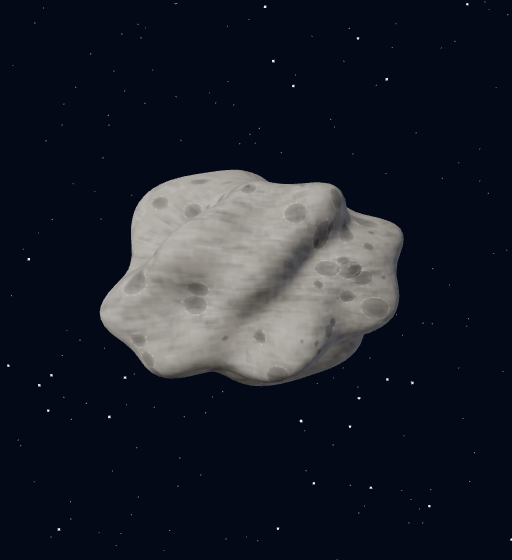
moon · Saturn
A natural satellite of Saturn. Its physical properties and orbital motion are shown from the available catalogue and ephemeris data.
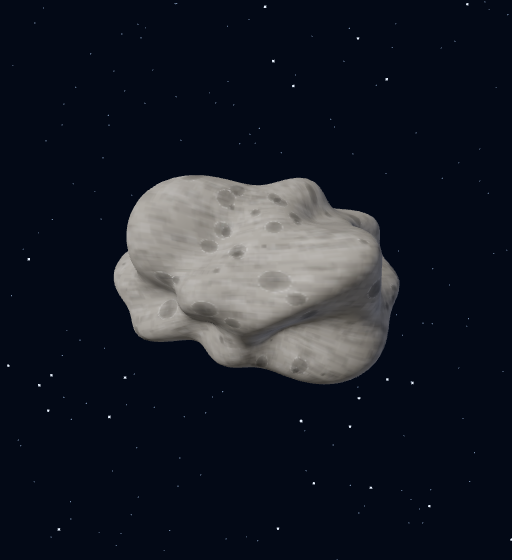
moon · Saturn
A natural satellite of Saturn. Its physical properties and orbital motion are shown from the available catalogue and ephemeris data.
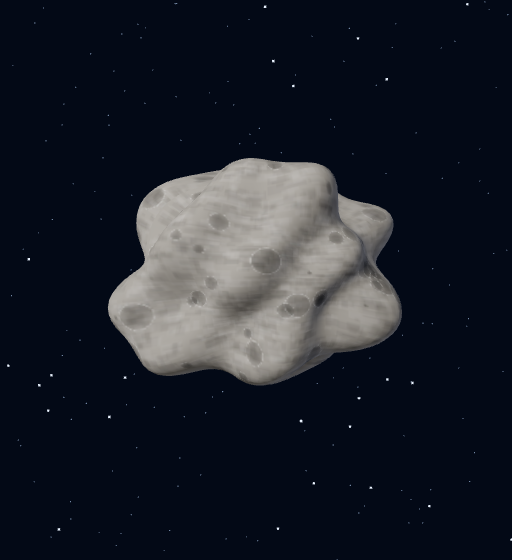
moon · Saturn
A natural satellite of Saturn. Its physical properties and orbital motion are shown from the available catalogue and ephemeris data.
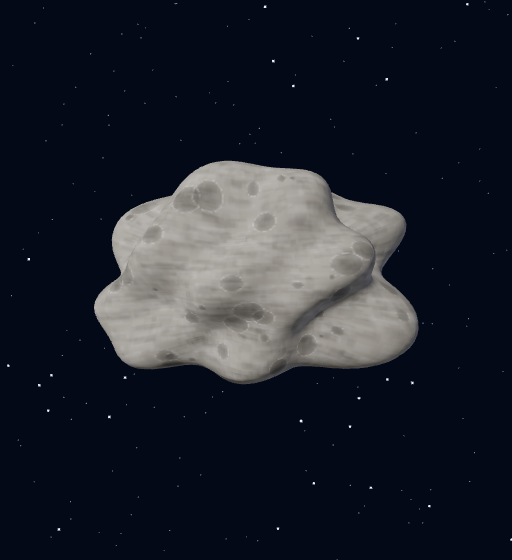
moon · Uranus
A natural satellite of Uranus. Its physical properties and orbital motion are shown from the available catalogue and ephemeris data.
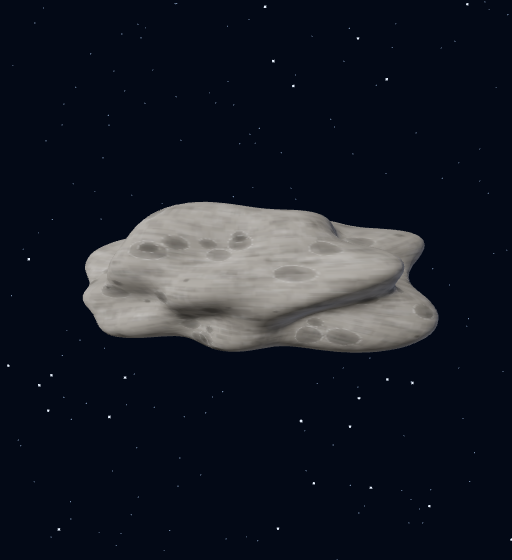
moon · Saturn
A natural satellite of Saturn. Its physical properties and orbital motion are shown from the available catalogue and ephemeris data.

moon · Saturn
A natural satellite of Saturn. Its physical properties and orbital motion are shown from the available catalogue and ephemeris data.

moon · Saturn
A natural satellite of Saturn. Its physical properties and orbital motion are shown from the available catalogue and ephemeris data.
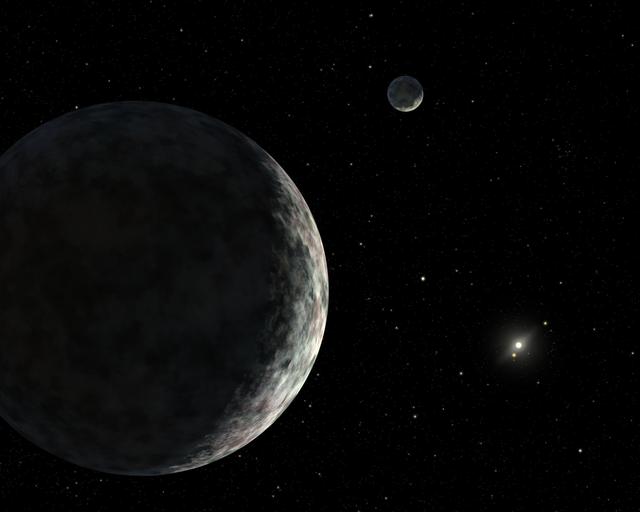
dwarf planet · Sun
Eris helped trigger the modern debate over what qualifies as a planet. Its discovery, together with Pluto and other distant bodies, contributed directly to the 2006 dwarf-planet cl
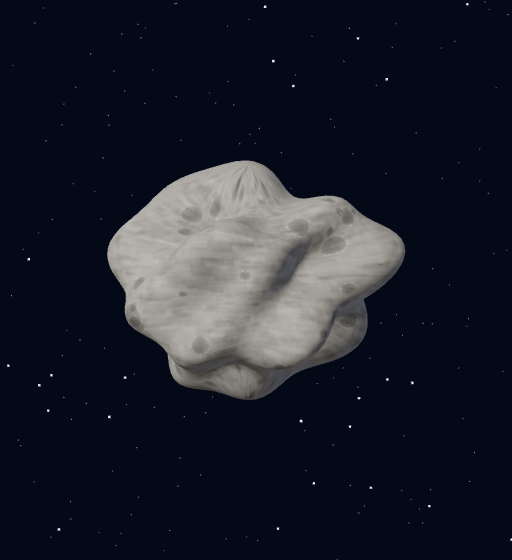
moon · Saturn
A natural satellite of Saturn. Its physical properties and orbital motion are shown from the available catalogue and ephemeris data.
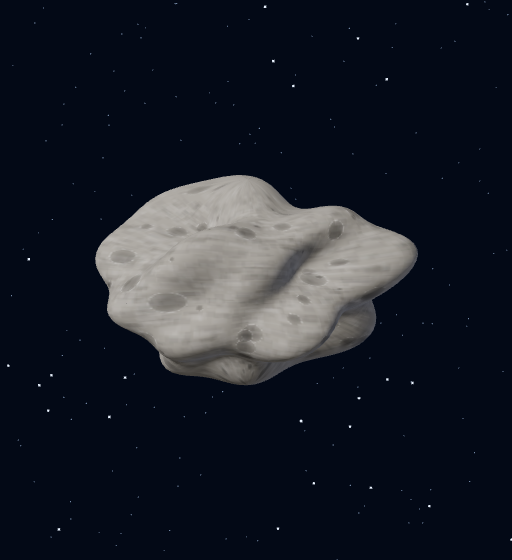
moon · Saturn
A natural satellite of Saturn. Its physical properties and orbital motion are shown from the available catalogue and ephemeris data.
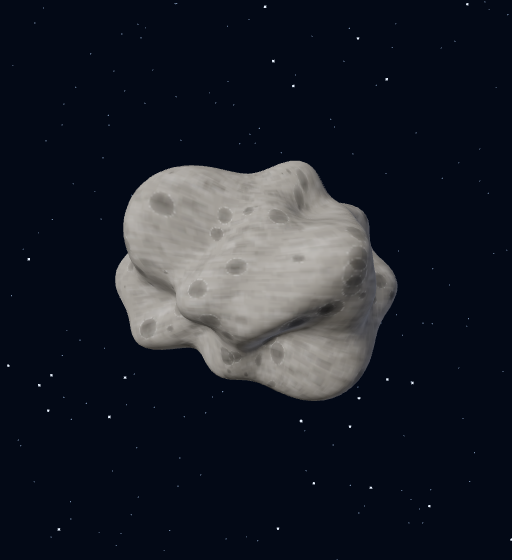
moon · Saturn
A natural satellite of Saturn. Its physical properties and orbital motion are shown from the available catalogue and ephemeris data.
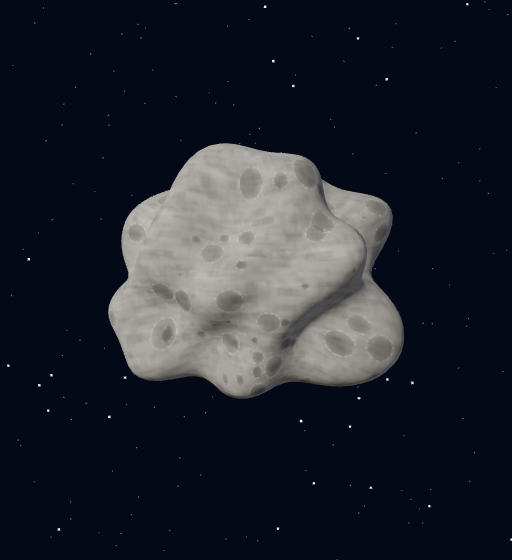
moon · Saturn
A natural satellite of Saturn. Its physical properties and orbital motion are shown from the available catalogue and ephemeris data.
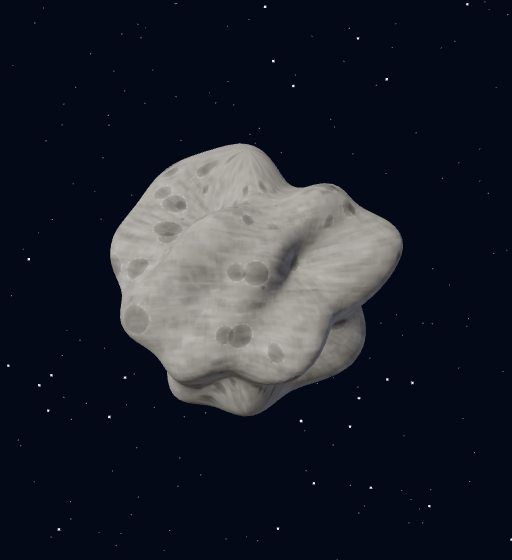
moon · Saturn
A natural satellite of Saturn. Its physical properties and orbital motion are shown from the available catalogue and ephemeris data.
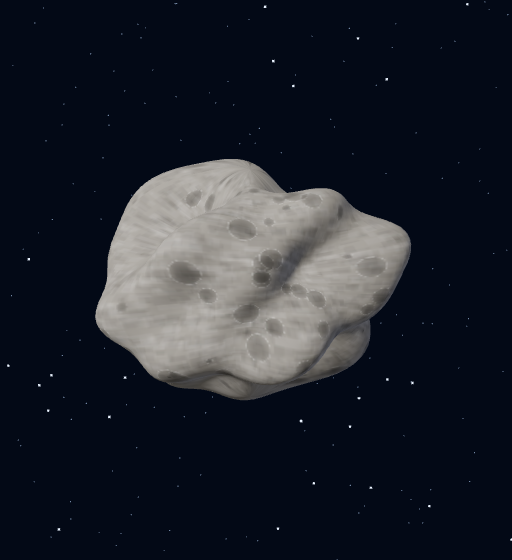
moon · Neptune
A natural satellite of Neptune. Its physical properties and orbital motion are shown from the available catalogue and ephemeris data.
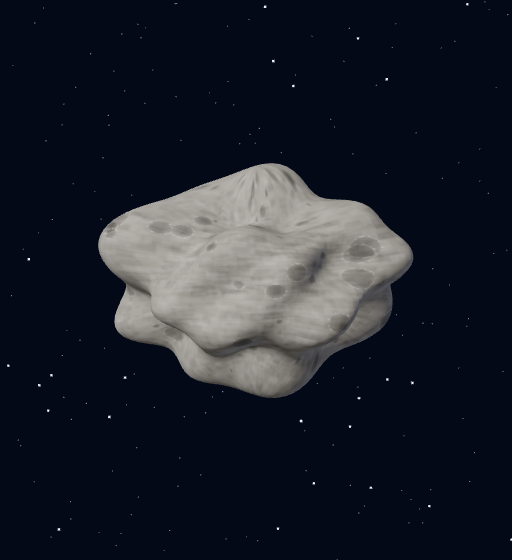
moon · Saturn
A natural satellite of Saturn. Its physical properties and orbital motion are shown from the available catalogue and ephemeris data.
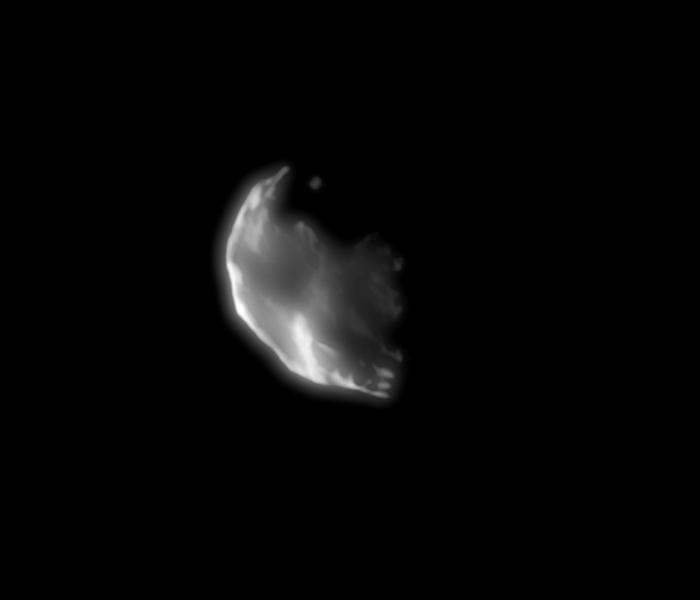
moon · Saturn
A natural satellite of Saturn. Its physical properties and orbital motion are shown from the available catalogue and ephemeris data.